
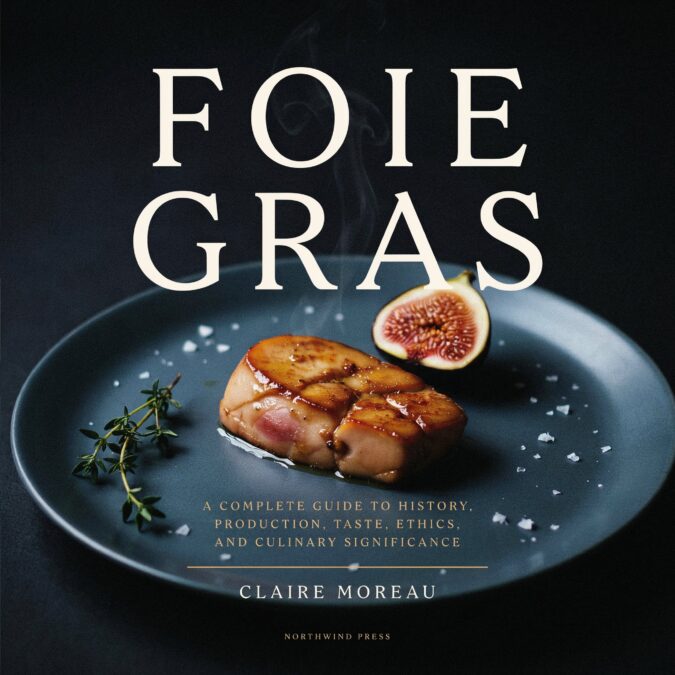

Understanding foie gras requires exploring its history, preparation techniques, cultural significance, and the discussions surrounding its production. Whether you are a food lover, a culinary student, or simply curious about gourmet cuisine, learning about foie gras offers valuable insight into one of the world’s most discussed luxury foods.
What Is Foie Gras?
Foie gras is a French term that translates to “fat liver.” It refers to the enlarged liver of a duck or goose that has been specially fed to develop a rich, creamy texture and distinctive flavor. The product is considered a luxury ingredient and is commonly served in upscale restaurants and gourmet kitchens around the world.
The unique characteristics of foie gras come from the accumulation of fat within the liver, resulting in a smooth consistency that differs significantly from ordinary poultry liver. Its flavor is often described as rich, delicate, buttery, and slightly sweet. Because of these qualities, foie gras is frequently used in pâtés, terrines, mousses, and elegant plated dishes that showcase its luxurious texture and taste.
The History of Foie Gras
The history of foie gras dates back thousands of years. Ancient Egyptians observed that migratory birds naturally stored fat in their livers before long journeys. This observation led to the practice of feeding birds to produce larger, richer livers. Over time, the technique spread through various cultures and regions.
The tradition eventually became closely associated with France, where foie gras evolved into a celebrated component of French gastronomy. French chefs refined preparation methods and incorporated foie gras into sophisticated culinary traditions. Today, foie gras remains a symbol of luxury dining and is often associated with festive occasions, special celebrations, and high-end cuisine.
The historical significance of foie gras demonstrates how a simple observation of nature evolved into one of the most recognizable gourmet foods in the world. Its enduring popularity reflects both cultural heritage and culinary innovation.
How Foie Gras Is Produced
Foie gras production involves raising ducks or geese and feeding them in a way that encourages the natural storage of fat within the liver. The process is carefully managed to achieve the desired texture, flavor, and quality that define premium foie gras.
Producers pay close attention to factors such as bird breed, diet, environment, and feeding schedules. These elements influence the final product’s flavor profile and consistency. Once the liver reaches the appropriate condition, it is harvested and prepared for culinary use.
Different regions may employ varying production techniques, resulting in distinct styles and qualities of foie gras. Traditional producers often emphasize craftsmanship and heritage, while modern operations may focus on efficiency and consistency. Regardless of the approach, the goal remains the same: creating a product known for exceptional richness and flavor.
Types of Foie Gras
There are several forms of foie gras available to consumers and chefs. Fresh foie gras is highly prized for its versatility and is commonly used in gourmet cooking. It can be seared, roasted, or incorporated into complex culinary creations.
Foie gras can also be found as pâté, terrine, mousse, or torchon. Each preparation method offers a unique texture and presentation while preserving the ingredient’s signature richness. Canned and preserved foie gras products are also popular because they provide longer shelf life and convenience.
The variety of foie gras products allows chefs and consumers to experience the ingredient in multiple ways. Whether served as a simple appetizer or incorporated into elaborate dishes, each form highlights different aspects of its luxurious character.
The Unique Taste of Foie Gras
One of the primary reasons foie gras is so highly valued is its extraordinary flavor. Unlike ordinary liver, foie gras offers a delicate balance of richness, creaminess, and subtle sweetness. The texture is exceptionally smooth and often described as melting in the mouth.
The flavor profile can vary depending on whether the foie gras comes from ducks or geese. Duck foie gras tends to have a stronger, more robust taste, while goose foie gras is often considered milder and more refined. These subtle differences contribute to the ingredient’s appeal among culinary professionals and food enthusiasts.
Pairings also play an important role in enhancing the foie gras experience. Fruits, sweet wines, toasted bread, and fruit preserves are commonly served alongside foie gras to complement its rich flavor and create a balanced dining experience.
Foie Gras in French Cuisine
French cuisine has played a major role in establishing foie gras as a world-renowned delicacy. It is often featured during holidays, celebrations, and special occasions. In many regions of France, foie gras is deeply connected to local traditions and culinary heritage.
French chefs have developed countless recipes that showcase foie gras in creative and elegant ways. From classic terrines to modern tasting menus, the ingredient serves as a symbol of sophistication and culinary excellence. Its presence on menus often reflects a commitment to traditional techniques and premium ingredients.
The influence of French gastronomy has helped spread appreciation for foie gras across the globe, making it a recognizable feature of fine dining establishments in many countries.
Ethical Debates Surrounding Foie Gras
Despite its culinary prestige, foie gras remains a subject of ongoing ethical discussion. Animal welfare organizations and activists have raised concerns about certain production practices associated with foie gras. These concerns have led to debates among consumers, chefs, policymakers, and producers.
As a result, some regions have implemented restrictions or regulations regarding foie gras production and sales. At the same time, supporters argue that traditional production methods represent an important cultural and culinary heritage that should be preserved.
The ethical discussion surrounding foie gras highlights broader questions about food production, consumer choice, animal welfare, and cultural traditions. Understanding these perspectives allows consumers to make informed decisions based on their personal values and preferences.
Nutritional Value of Foie Gras
Foie gras contains a variety of nutrients, including protein, vitamins, and minerals. It is particularly rich in vitamin A and provides essential nutrients that contribute to overall health. However, because foie gras contains significant amounts of fat, it is typically enjoyed in moderation.
The nutritional profile contributes to its rich texture and flavor but also means it is generally consumed as a luxury food rather than an everyday dietary staple. When incorporated into a balanced diet, foie gras can be appreciated as part of a special culinary experience.
Consumers interested in nutrition often evaluate foie gras not only for its flavor but also for its nutrient content and role within gourmet cuisine.
How Foie Gras Is Served
Foie gras can be prepared and presented in numerous ways depending on the culinary setting. One of the most popular preparations is pan-seared foie gras, where slices are cooked briefly to create a crisp exterior while maintaining a soft, creamy interior.
It may also be served cold as part of a terrine or pâté, accompanied by bread, fruit compotes, or specialty preserves. Fine dining establishments often pair foie gras with sweet wines, which enhance its luxurious flavor profile.
Presentation is a crucial aspect of serving foie gras. Chefs carefully balance textures, flavors, and visual elements to create memorable dishes that highlight the ingredient’s distinctive qualities.
Global Popularity of Foie Gras
Although foie gras is most closely associated with France, it has gained international recognition and popularity. Gourmet restaurants across Europe, North America, Asia, and other regions feature foie gras on their menus as a premium ingredient.
Its reputation as a luxury food has contributed to its global appeal among food enthusiasts seeking unique and refined dining experiences. Culinary schools and professional chefs frequently study foie gras preparation as part of advanced gastronomic training.
The worldwide popularity of foie gras demonstrates the enduring influence of French culinary traditions and the universal appreciation for exceptional ingredients.
Conclusion
Foie gras remains one of the most iconic and debated delicacies in the culinary world. Its rich history, luxurious texture, and distinctive flavor have secured its place in gourmet cuisine for centuries. From ancient origins to modern fine dining establishments, foie gras continues to captivate chefs and food enthusiasts alike.
At the same time, ongoing discussions about ethics and production practices ensure that foie gras remains a topic of significant public interest. Whether viewed as a treasured culinary tradition or a subject of ethical concern, foie gras represents a fascinating intersection of culture, gastronomy, history, and consumer choice. Understanding its origins, preparation, and significance provides a deeper appreciation of this remarkable and influential food.
Frequently Asked Questions (FAQs)
1. What does foie gras mean?
Foie gras is a French term meaning “fat liver,” referring to the specially fattened liver of a duck or goose.
2. Why is foie gras considered a luxury food?
Foie gras is considered a luxury food because of its rich flavor, smooth texture, specialized production process, and association with fine dining.
3. What does foie gras taste like?
Foie gras has a buttery, creamy, and delicate flavor with a rich texture that melts in the mouth.
4. Is foie gras made from ducks or geese?
Foie gras can be produced from either ducks or geese, with duck foie gras being more common globally.
5. How is foie gras typically served?
It is often served pan-seared, as a pâté, terrine, mousse, or paired with bread, fruit preserves, and sweet wines.
6. Why is foie gras controversial?
The controversy stems from concerns about animal welfare and the feeding practices used during production.
7. Is foie gras nutritious?
Foie gras contains protein, vitamins, and minerals, particularly vitamin A, but it is also high in fat and is generally consumed in moderation.
8. Which country is most famous for foie gras?
France is the country most closely associated with foie gras and remains a major producer and consumer of the delicacy.