
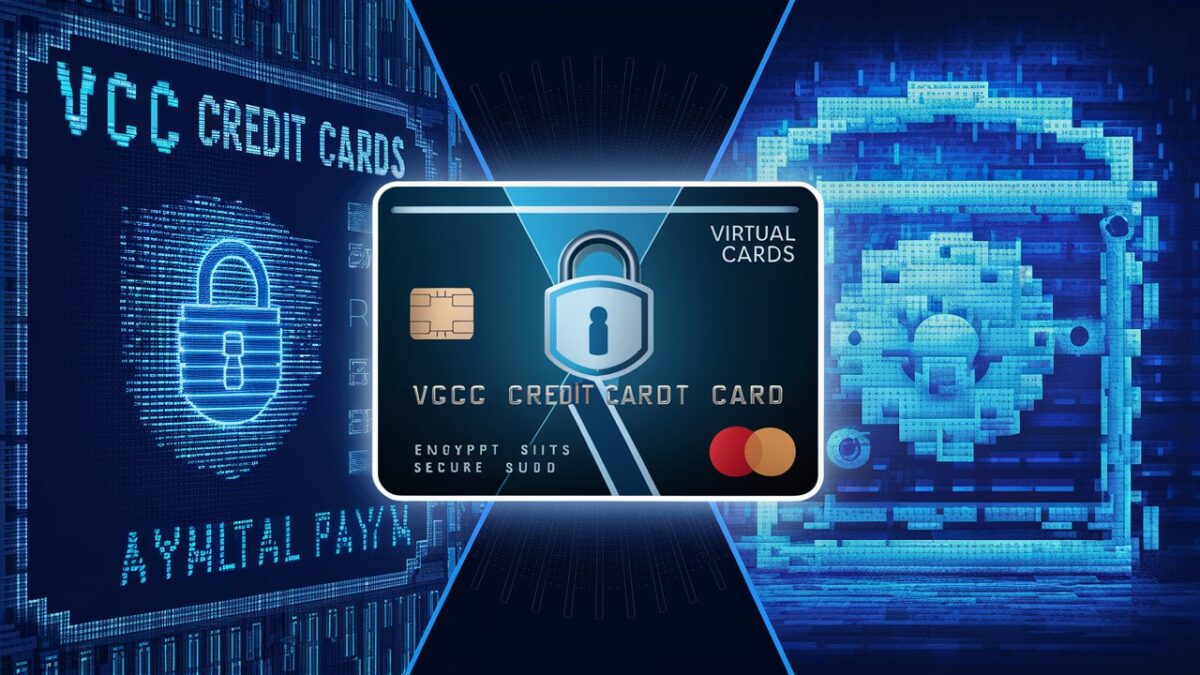

In today’s digital economy, online transactions have become an essential part of everyday life. From shopping and subscriptions to business payments, the need for secure and efficient digital payment methods has never been greater. This is where Vçç (VCC), or Virtual Credit Cards, come into play. A VCC is a digital version of a traditional credit card that provides enhanced online payment security, convenience, and control.
The rise of virtual card solutions has transformed how individuals and businesses manage their finances online. With increasing concerns about data breaches, identity theft, and unauthorized transactions, VCC payments offer a safer alternative to physical cards. They allow users to make secure online purchases without exposing their real card details, ensuring privacy and protection in every transaction. This article explores the concept of Vçç, its benefits, how it works, and why it is becoming a cornerstone of digital payment solutions worldwide.
What Is Vçç (VCC)? Understanding Virtual Credit Cards
Vçç, short for Virtual Credit Card (VCC), is a digital payment tool that functions like a traditional credit or debit card but exists only in electronic form. It is issued by banks, fintech companies, or payment platforms and is designed specifically for online transactions. Each virtual card comes with a unique card number, expiration date, and CVV code, just like a physical card, but it is generated digitally and can often be used for one-time or limited transactions.
The primary purpose of a VCC is to enhance online payment security. When users make a purchase using a virtual credit card, their actual card details remain hidden from merchants, reducing the risk of fraud or data theft. Many VCC providers also allow users to set spending limits, expiration dates, and usage restrictions, giving them full control over their digital payments.
In essence, Vçç bridges the gap between convenience and security in the digital payment ecosystem. It empowers users to transact confidently in an increasingly connected world, where privacy and protection are paramount.
How VCC Works: The Technology Behind Virtual Credit Cards
The technology behind Vçç (VCC) is built on secure encryption and tokenization systems that protect sensitive financial data. When a user requests a virtual card, the issuing bank or payment provider generates a temporary card number linked to the user’s main account. This number can be used for online purchases just like a regular card, but it expires after a set period or after a single transaction.
This process ensures that even if a hacker gains access to the VCC details, they cannot use them beyond the defined limits. The VCC payment system integrates seamlessly with existing payment gateways, allowing users to make purchases on e-commerce platforms, pay for subscriptions, or conduct business transactions securely.
Additionally, virtual card solutions often come with real-time tracking and notifications. Users can monitor every transaction instantly, freeze or delete cards when necessary, and generate new ones within seconds. This level of control and transparency makes Vçç one of the most secure and flexible digital payment solutions available today.
Benefits of Vçç (VCC): Why Virtual Credit Cards Are the Future of Online Payments
1. Enhanced Online Payment Security
The most significant advantage of Vçç is its ability to protect users from online fraud. Since VCC payments use temporary card numbers, hackers cannot access the user’s real financial information. This makes virtual credit cards ideal for online shopping, subscriptions, and international transactions where security risks are higher.
2. Privacy and Anonymity
Virtual card solutions allow users to maintain privacy by masking their real card details. This is particularly beneficial for individuals who value anonymity in online transactions or businesses that want to protect corporate accounts from unauthorized access.
3. Spending Control and Budget Management
With VCC, users can set spending limits and expiration dates, making it easier to manage budgets and prevent overspending. Businesses can issue virtual cards to employees with predefined limits, ensuring accountability and transparency in corporate expenses.
4. Convenience and Accessibility
Vçç eliminates the need for physical cards, making it convenient for users who prefer digital-first financial tools. Virtual cards can be generated instantly through mobile apps or online banking platforms, allowing immediate use for online purchases or subscriptions.
5. Global Compatibility
Most VCCs are accepted by major online merchants and payment gateways worldwide. This makes Vçç an excellent choice for international travelers, freelancers, and businesses that operate across borders.
6. Reduced Risk of Card Theft or Loss
Since VCCs exist only in digital form, there is no risk of physical theft or loss. Even if a virtual card is compromised, it can be deactivated instantly without affecting the user’s main account.
VCC in Business: Virtual Card Solutions for Companies
Businesses are increasingly adopting Vçç (VCC) as part of their digital payment solutions strategy. Corporate virtual cards simplify expense management, streamline vendor payments, and enhance financial security. Companies can issue multiple VCCs for different departments or employees, each with specific spending limits and usage rules.
This approach not only improves transparency but also reduces administrative overhead. Finance teams can track every transaction in real time, reconcile expenses automatically, and prevent misuse of company funds. Moreover, VCC payments integrate easily with accounting software, making financial reporting more efficient.
For businesses that operate online or engage in frequent digital transactions, Vçç offers a secure, scalable, and cost-effective solution. It aligns perfectly with the growing demand for cashless payment systems and online payment security in the corporate world.
The Role of Vçç in Online Payment Security
As cyber threats continue to evolve, online payment security has become a top priority for consumers and businesses alike. Traditional credit cards, while convenient, expose users to risks such as phishing, data breaches, and unauthorized charges. Vçç (VCC) addresses these vulnerabilities by introducing an additional layer of protection.
Each virtual credit card is unique and temporary, meaning that even if a merchant’s database is compromised, the stolen card details become useless. Furthermore, VCC providers use advanced encryption and two-factor authentication to safeguard transactions. This makes Vçç one of the most secure methods for conducting online payments in today’s digital landscape.
By combining technology, flexibility, and user control, Vçç enhances trust in digital commerce and encourages more people to embrace virtual card solutions as part of their financial routine.
The Future of Vçç and Digital Payment Solutions
The future of Vçç (VCC) looks promising as the world continues to shift toward digital-first financial systems. With the rise of e-commerce, remote work, and global connectivity, the demand for secure and efficient virtual card solutions will only increase.
Emerging technologies such as artificial intelligence, blockchain, and biometric authentication are expected to further strengthen VCC payment systems. These innovations will make virtual credit cards even more secure, personalized, and integrated with other digital payment solutions.
Financial institutions and fintech companies are also expanding their VCC offerings, making them accessible to a broader audience. As consumers become more aware of VCC benefits, the adoption of Vçç will continue to grow, shaping the future of online payments and financial security.
Conclusion
Vçç (VCC) represents a major advancement in the world of digital payment solutions. By combining convenience, flexibility, and robust online payment security, virtual credit cards have become an essential tool for modern consumers and businesses. They protect sensitive financial data, simplify expense management, and empower users with greater control over their transactions.
As the digital economy continues to expand, the importance of secure and efficient payment systems cannot be overstated. Vçç stands at the forefront of this transformation, offering a glimpse into the future of safe, smart, and seamless financial interactions. Whether for personal use or business operations, adopting VCC payments is a step toward a more secure and innovative financial future.
Frequently Asked Questions (FAQ)
1. What is Vçç (VCC)?
Vçç, or Virtual Credit Card (VCC), is a digital version of a credit or debit card used for secure online transactions.
2. How does a virtual credit card work?
A VCC generates a temporary card number linked to your main account, allowing you to make online payments without exposing your real card details.
3. What are the benefits of using VCC?
VCC benefits include enhanced online payment security, spending control, privacy, and protection against fraud.
4. Can I use a VCC for international transactions?
Yes, most virtual cards are accepted globally by major online merchants and payment gateways.
5. Is a VCC safer than a physical card?
Yes, VCC payments are safer because they use temporary card numbers that expire after use, reducing the risk of theft or misuse.
6. How can businesses use virtual cards?
Businesses use VCCs to manage expenses, pay vendors, and control employee spending with predefined limits.
7. Are VCCs compatible with mobile wallets?
Many virtual card solutions can be integrated with mobile wallets for added convenience and accessibility.
8. Do virtual credit cards have fees?
Some VCC providers may charge small issuance or transaction fees, but many offer free or low-cost options.
9. Can I cancel a VCC after use?
Yes, most VCCs can be deactivated or deleted instantly after a transaction for maximum security.
10. What is the future of VCC technology?
The future of Vçç lies in greater integration with AI, blockchain, and biometric systems to enhance digital payment security and user experience.