
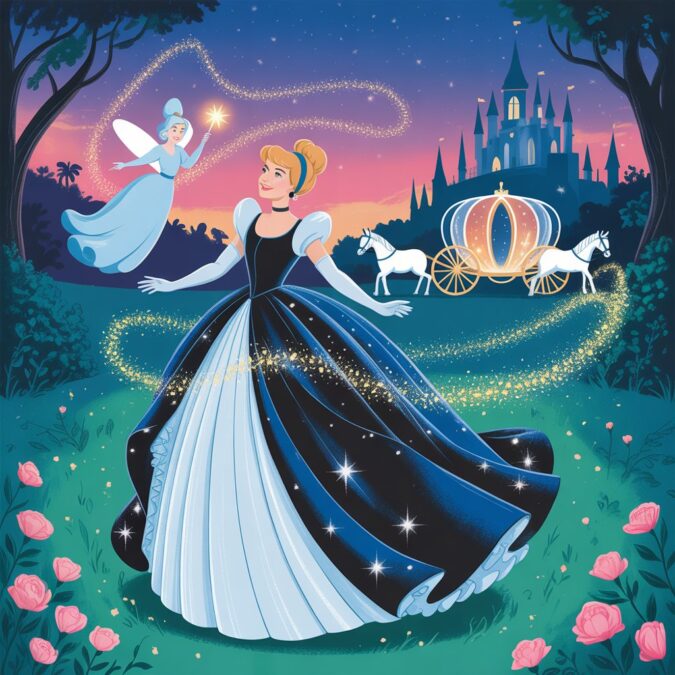

The story of Sinserella, more commonly known as Cinderella, is one of the most enduring fairy tales in world literature, symbolizing transformation, kindness, and the belief that good things eventually come to those who remain patient and hopeful. Although the name “Sinserella” appears to be a variation or misspelling, it still connects directly to the legendary tale that has been retold across cultures for centuries. The core narrative follows a young girl who suffers under harsh treatment but ultimately rises above her circumstances through resilience, inner goodness, and a touch of magical intervention. The story has evolved over time, yet its emotional impact remains powerful for both children and adults across generations.
At its heart, this tale reflects universal human emotions—struggle, injustice, hope, and reward. It is not just a bedtime story but also a symbolic journey of personal transformation. Many versions exist around the world, but the most widely recognized adaptation comes from European folklore, later popularized by writers such as Charles Perrault and the Brothers Grimm. In modern times, it has been adapted into films, stage performances, and cultural retellings, making it a permanent part of global storytelling tradition.
Sinserella Story Meaning and Symbolism
The meaning of Sinserella (Cinderella) goes far beyond a simple fairy tale. It represents the idea that kindness and patience can overcome cruelty and hardship. The character endures emotional suffering, rejection, and unfair treatment, yet she never loses her sense of goodness. This symbolic resilience is one of the main reasons the story continues to resonate with audiences today.
The transformation in the story—from an overlooked and mistreated girl into a celebrated figure—symbolizes hope and renewal. The magical elements, such as the fairy godmother and the enchanted transformation, are often interpreted as metaphors for opportunity and timing in real life. They suggest that even in the darkest moments, change is possible when circumstances align or when unexpected help arrives.
Sinserella Characters and Their Roles
The characters in Sinserella (Cinderella) play essential roles in shaping the story’s message. Each character represents different human traits and moral lessons. The main character, Cinderella herself, represents purity, endurance, and kindness despite suffering. Her stepmother and stepsisters symbolize jealousy, cruelty, and insecurity, highlighting how negative emotions can lead to destructive behavior.
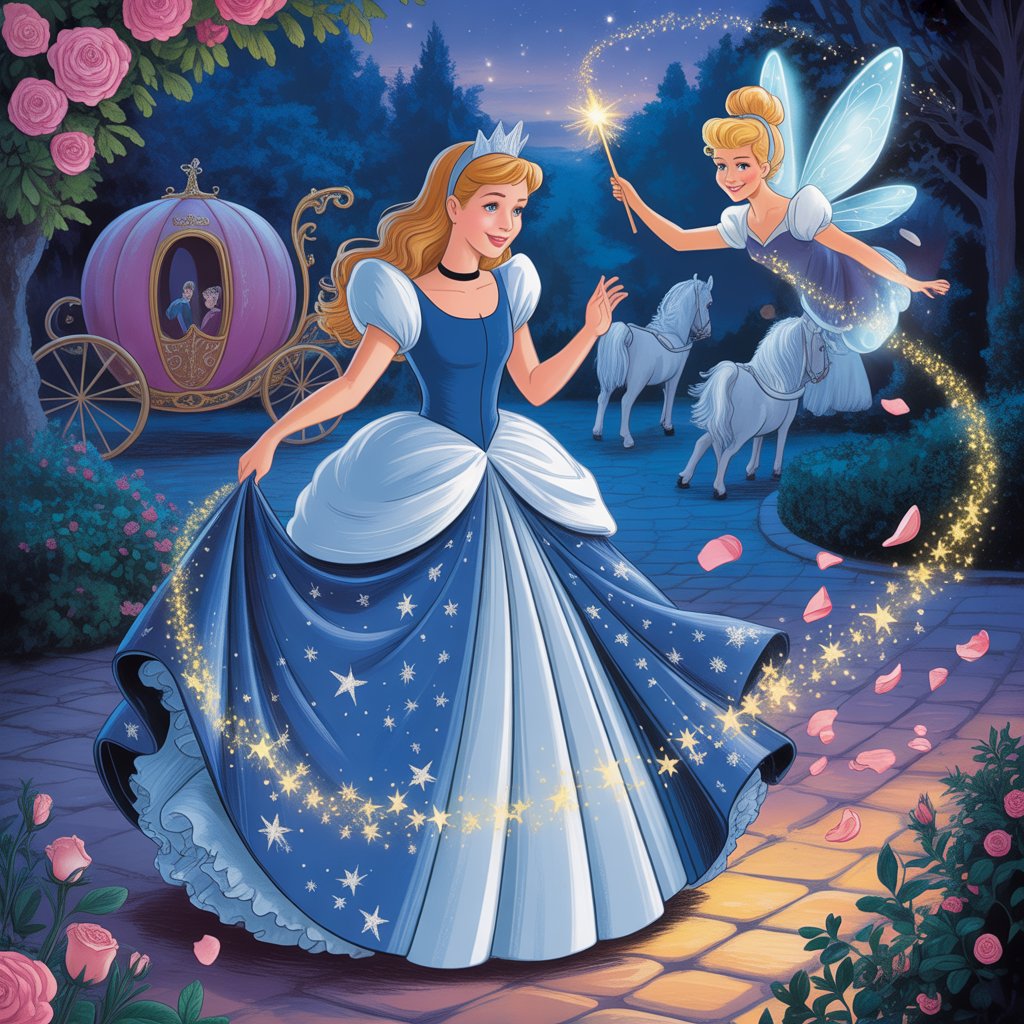
Another important figure is the fairy godmother, who represents hope, guidance, and unexpected assistance in times of need. In many interpretations, she symbolizes the idea that support can come when least expected. The prince, often seen as the reward or “happy ending,” represents recognition, acceptance, and emotional fulfillment. Together, these characters create a moral framework that teaches the importance of character over appearance or social status.
Sinserella Plot Summary and Story Development
The plot of Sinserella typically begins with a young girl living a peaceful life that is disrupted by the death of her parents. She is then forced into servitude by her stepmother and stepsisters, who treat her unfairly and assign her the hardest household chores. Despite her difficult circumstances, she remains kind-hearted and hopeful.
The story reaches its turning point when an invitation to a royal ball is announced. Cinderella’s stepsisters attend the event while she is left behind. However, through magical assistance, she is transformed into a beautiful figure and attends the ball, where she captures the attention of the prince. The magical enchantment has a time limit, forcing her to leave abruptly, but she leaves behind a glass slipper. The prince later searches the kingdom for the owner of the slipper, leading to Cinderella’s recognition and ultimate transformation into a princess.
Sinserella Themes and Moral Lessons
One of the strongest aspects of Sinserella (Cinderella) is its rich set of themes and moral lessons. The story teaches that kindness is more valuable than cruelty, and patience often leads to reward. It also highlights the importance of inner beauty over external appearance. Cinderella’s character is not defined by her situation but by her actions and attitude, which ultimately lead to her success.
Another major theme is justice. The story reflects the idea that wrongdoing and unfair treatment do not last forever, and balance is eventually restored. Additionally, it emphasizes hope during difficult times, suggesting that even when life seems unfair, change is always possible. These themes make the story meaningful across different cultures and time periods.
Sinserella Cultural Impact and Modern Adaptations
The cultural impact of Sinserella has been enormous, influencing literature, film, fashion, and entertainment worldwide. One of the most famous adaptations is the animated film by Disney, which brought the character into modern popular culture and introduced her story to millions of viewers globally. Cinderella has since become an iconic figure representing fairy tale magic and transformation.
Beyond films, the story has inspired countless retellings, including modern novels, theater productions, and even psychological interpretations. Many cultures have their own versions of the Cinderella story, each reflecting local traditions and values while preserving the core theme of transformation and justice. This global presence shows how deeply the story is rooted in human imagination.
Sinserella in Literature and Education
In literature and educational contexts, Sinserella is often used to teach moral values, narrative structure, and cultural storytelling traditions. It is a common example in children’s literature because it is easy to understand yet rich in symbolic meaning. Teachers use the story to discuss themes like fairness, perseverance, and empathy.
The structure of the story also makes it a useful example in studying storytelling techniques, such as character development, conflict resolution, and climax building. Because it exists in many variations, it also helps students understand how stories evolve across cultures and generations.
Conclusion of Sinserella (Cinderella) Story
In conclusion, the story of Sinserella (Cinderella) remains one of the most powerful and influential fairy tales in human history. Its themes of hope, transformation, kindness, and justice continue to inspire audiences of all ages. While the name “Sinserella” may appear as a variation, it still leads back to the timeless narrative of a girl who rises above hardship and achieves happiness through perseverance and virtue.
The enduring popularity of the story proves that its message is universal: no matter how difficult life becomes, change is always possible, and kindness often leads to unexpected rewards. This is why the tale continues to be retold, reimagined, and cherished across generations and cultures.
Frequently Asked Questions (FAQs)
1. What is Sinserella (Cinderella)?
Sinserella refers to the fairy tale of Cinderella, a story about a young girl who overcomes hardship and mistreatment to achieve happiness and success.
2. Why is Cinderella such a popular story?
It is popular because it combines emotional struggle, hope, magic, and transformation, making it relatable and inspiring across cultures.
3. What is the main message of Cinderella?
The main message is that kindness, patience, and inner goodness are more important than appearance or social status.
4. Who are the main characters in Cinderella?
The main characters include Cinderella, her stepmother, stepsisters, the fairy godmother, and the prince.
5. Are there different versions of the Cinderella story?
Yes, many cultures have their own versions of the Cinderella story, each with unique details but similar core themes.
6. What does the glass slipper symbolize?
The glass slipper symbolizes uniqueness, destiny, and the idea that true identity cannot be hidden forever.