

Table of Contents
ToggleThe story of “Sinserella,” often recognized as a variation or misspelling of the classic Cinderella, is one of the most enduring and beloved narratives in human storytelling. Across centuries and cultures, this tale has been retold in countless forms, each emphasizing themes of resilience, kindness, and the triumph of good over adversity. Whether referred to as Cinderella or Sinserella, the essence of the story remains unchanged—a young girl, oppressed by her circumstances, ultimately rises above hardship through courage, grace, and a touch of magic. This article explores the deeper meaning, origins, symbolism, and cultural significance of Sinserella, offering a comprehensive look into why this story continues to captivate audiences around the world.
The Origins of Sinserella
The roots of the Sinserella story trace back to ancient folklore, long before it was formally written down. Variants of the tale have appeared in different civilizations, including ancient China and Egypt, where similar narratives featured a mistreated heroine who eventually finds fortune and recognition. The most famous written versions were later recorded in Europe, particularly by Charles Perrault and the Brothers Grimm, who helped shape the story into the version widely known today. The name “Sinserella” may emerge from phonetic reinterpretations or regional adaptations, but it still connects deeply to this historical lineage. These early versions highlight how universal the themes of justice and transformation are, transcending time and geography.
Sinserella Story Summary
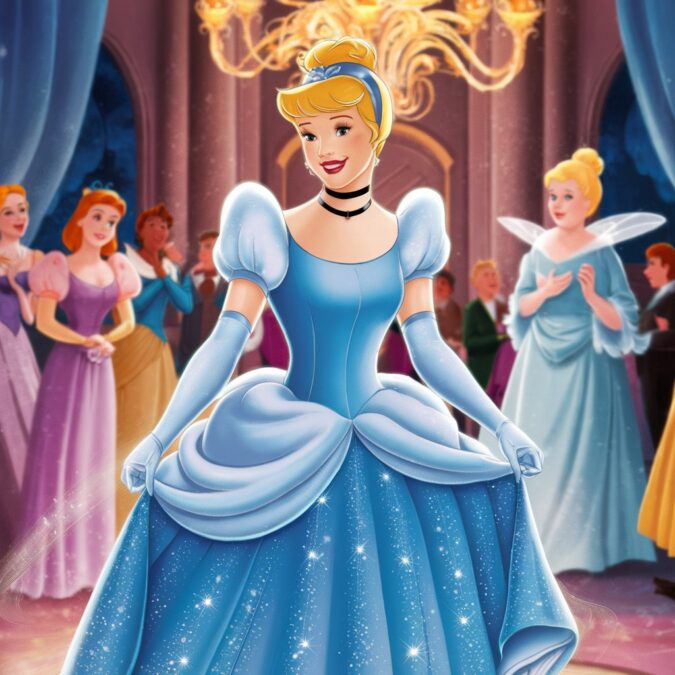
At its core, the story of Sinserella revolves around a young girl who lives under the harsh rule of her stepmother and stepsisters. Forced into servitude, she is denied the love and comfort she deserves. Despite her suffering, Sinserella remains kind-hearted and hopeful, never allowing bitterness to take root in her character. Her life changes dramatically when she receives magical assistance—often from a fairy godmother—who enables her to attend a royal event, usually a ball. There, she captures the attention of a prince, but due to the limitations of magic, she must leave before her identity is revealed. The iconic lost slipper becomes the key to her recognition, ultimately leading to her liberation and a new life filled with dignity and happiness.
Symbolism in Sinserella
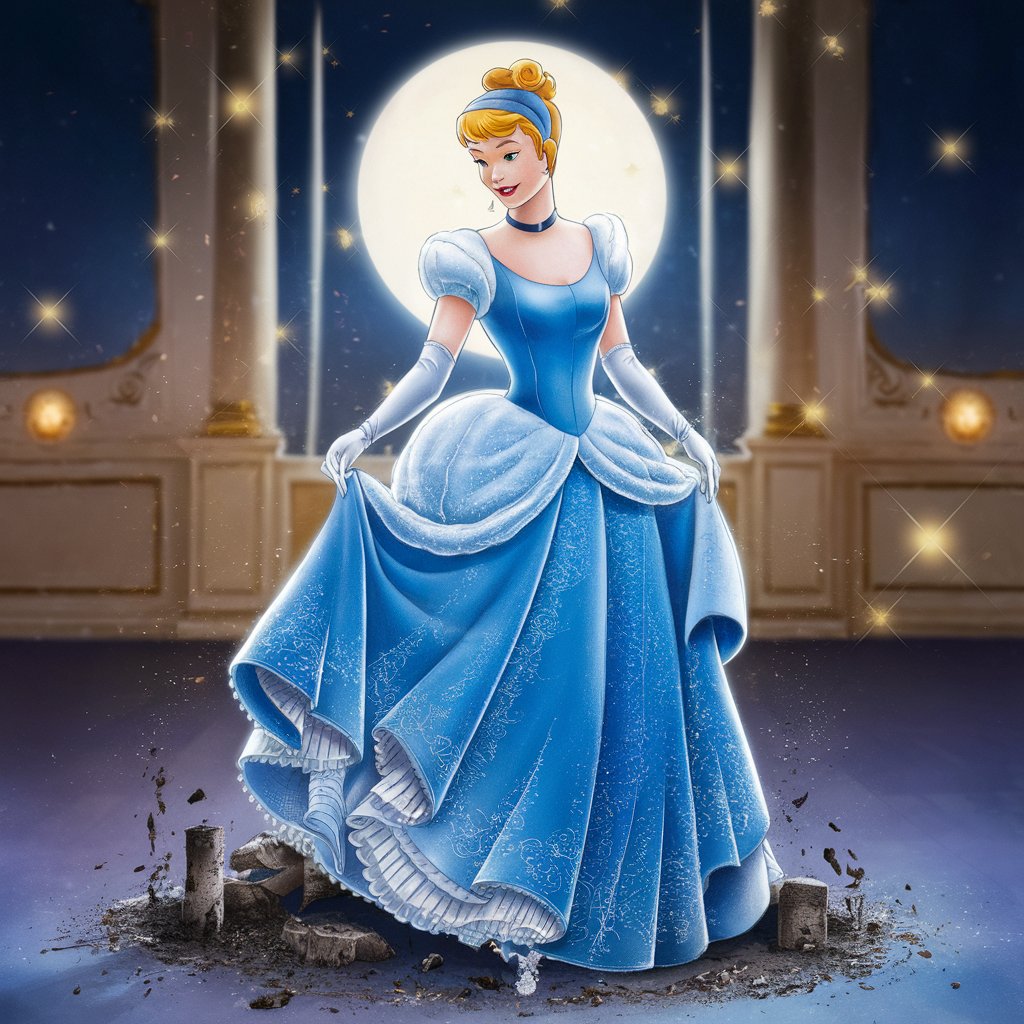
The Sinserella story is rich with symbolism that contributes to its timeless appeal. The glass slipper, for instance, represents uniqueness and identity, suggesting that true worth cannot be replicated or hidden. The transformation scene, where Sinserella’s appearance changes from rags to elegance, symbolizes inner beauty manifesting outwardly. The midnight deadline serves as a reminder that opportunities are fleeting and must be embraced with courage. Even the character of the fairy godmother embodies hope and the idea that help can come from unexpected sources. These symbolic elements make the story more than just a fairy tale—they turn it into a meaningful allegory for personal growth and self-belief.
Themes of Sinserella
One of the most powerful aspects of Sinserella is its exploration of universal themes. The theme of resilience is central, as the protagonist endures hardship without losing her compassion. Kindness is another key element, demonstrating that goodness can lead to positive outcomes even in difficult circumstances. The story also emphasizes justice, as those who mistreat Sinserella are ultimately overshadowed by her success. Additionally, the theme of transformation highlights that change is possible, regardless of one’s starting point. These themes resonate deeply with audiences, making the story relevant across generations.
Cultural Impact of Sinserella
The influence of Sinserella extends far beyond literature, shaping films, theater, fashion, and even modern storytelling. From animated adaptations to live-action reinterpretations, the narrative has been continuously reinvented to suit contemporary audiences. The story’s message has inspired countless works that echo its themes of empowerment and perseverance. In many cultures, Sinserella serves as a symbol of hope, particularly for those facing adversity. Its adaptability ensures that it remains a cornerstone of global storytelling, reflecting societal values while preserving its original charm.
Modern Interpretations of Sinserella
In recent years, the Sinserella story has evolved to reflect modern perspectives. Contemporary adaptations often portray the heroine as more independent and assertive, focusing less on rescue and more on self-realization. These versions emphasize personal agency, suggesting that transformation comes not only from external magic but also from inner strength. This shift aligns with current values, making the story more relatable to today’s audiences while retaining its classic essence. The enduring popularity of Sinserella demonstrates its ability to grow and adapt without losing its fundamental message.
Why Sinserella Still Matters Today
Despite being centuries old, the story of Sinserella continues to hold relevance in today’s world. Its themes of perseverance, kindness, and self-worth are universal and timeless. In a society where people often face challenges and inequalities, the story serves as a reminder that circumstances do not define one’s destiny. Sinserella’s journey inspires individuals to remain hopeful and to believe in their potential, even when faced with adversity. This enduring relevance is a testament to the story’s profound impact on human thought and emotion.
Conclusion
Sinserella is more than just a fairy tale—it is a powerful narrative that speaks to the human experience. Through its rich symbolism, compelling themes, and universal appeal, it has earned its place as one of the most cherished stories in history. Whether viewed as a tale of romance, transformation, or resilience, Sinserella continues to inspire and uplift audiences around the world. Its message is clear: no matter how difficult life may seem, hope, kindness, and determination can lead to a brighter future.
Frequently Asked Questions (FAQs)
1. What does “Sinserella” mean?
“Sinserella” is often considered a variation or misspelling of “Cinderella,” a classic fairy tale character known for her story of transformation and triumph over adversity.
2. Is Sinserella the same as Cinderella?
Yes, Sinserella generally refers to the same story as Cinderella, though the spelling may differ due to regional or stylistic variations.
3. What is the main message of Sinserella?
The main message is that kindness, resilience, and hope can lead to positive change, even in the face of hardship.
4. Why is the glass slipper important in the story?
The glass slipper symbolizes uniqueness and identity, representing how Sinserella’s true self cannot be hidden or replaced.
5. How has Sinserella evolved over time?
The story has been adapted across cultures and eras, with modern versions often emphasizing independence and personal empowerment while maintaining the core themes of the original tale.