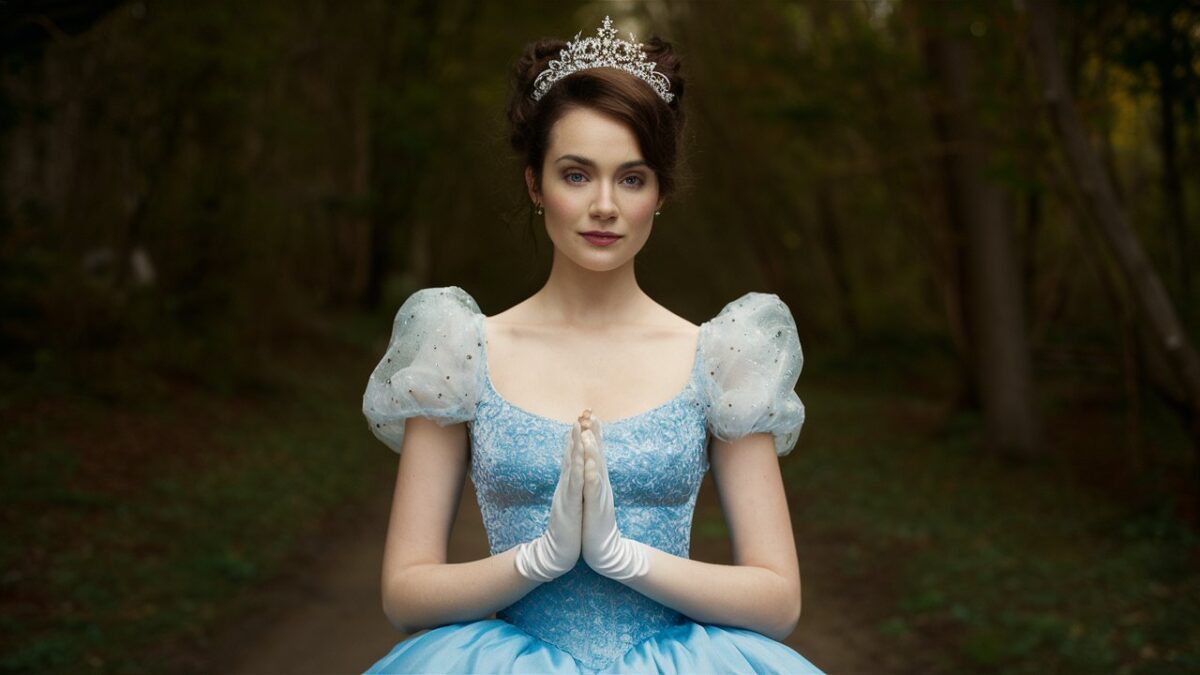

The term “sinserella” is often a misspelling or alternative variation of the classic fairy tale Cinderella, one of the most beloved stories in global folklore. Despite the spelling difference, the meaning and cultural impact remain deeply connected to the original tale of transformation, resilience, and hope. This story has been passed down through generations, evolving across cultures while maintaining its core message: kindness, patience, and courage can lead to extraordinary change. In this article, we will explore the concept of sinserella in detail, examining its origins, themes, symbolism, modern interpretations, and why it continues to resonate so strongly in today’s world.
Sinserella Story Overview and Origins
The sinserella story originates from ancient folk traditions that date back centuries, long before it was formally written down. Variations of the Cinderella tale exist in many cultures, including Chinese, European, and Middle Eastern storytelling traditions. The most famous version was popularized by Charles Perrault in France and later adapted by the Brothers Grimm in Germany. The sinserella narrative typically follows a young girl who faces hardship under a cruel guardian, only to experience a magical transformation that leads her to a better life. This universal storyline reflects the human desire for justice and transformation, which explains why it has endured for so long.
Sinserella Characters and Their Roles
The characters in the sinserella tale are essential in shaping its emotional depth and moral lessons. The protagonist, often portrayed as kind and gentle despite her struggles, represents hope and resilience. The antagonists, such as the wicked stepmother and stepsisters, symbolize jealousy, cruelty, and selfishness. The fairy godmother or magical helper introduces the element of transformation, showing that help can come in unexpected ways. Finally, the prince or love interest represents opportunity and recognition, emphasizing the idea that true worth will eventually be seen and rewarded. Each character plays a symbolic role that contributes to the story’s lasting impact.
Themes in Sinserella: Kindness, Transformation, and Justice
One of the most powerful aspects of the sinserella story is its rich thematic content. Kindness is central, as the protagonist remains compassionate even in difficult circumstances. Transformation is another key theme, not just physical but emotional and social, illustrating how change is possible with perseverance. Justice also plays a major role, as the story ultimately rewards good behavior while punishing cruelty. These themes make sinserella more than just a fairy tale—it becomes a moral guide that continues to influence readers of all ages.
Symbolism in the Sinserella Tale
The sinserella story is filled with symbolic elements that deepen its meaning. The glass slipper, for instance, represents uniqueness and identity—only the true owner can fit into it. The magical transformation, including the gown and carriage, symbolizes the potential for change and hidden beauty within individuals. Even the midnight deadline serves as a reminder that opportunities are temporary and must be seized at the right moment. These symbols contribute to the story’s richness and allow it to be interpreted in many different ways depending on cultural and personal perspectives.
Modern Interpretations of Sinserella
In modern times, the sinserella story has been reimagined in countless ways across films, books, and media. Contemporary versions often focus on empowerment, independence, and self-discovery rather than solely relying on rescue or romance. Some adaptations portray the protagonist as more assertive and self-reliant, reflecting changing societal values. Others explore darker or more realistic themes, showing the psychological impact of hardship. These modern interpretations ensure that the sinserella narrative remains relevant and adaptable to new generations.
Why Sinserella Remains Popular Today
The enduring popularity of sinserella can be attributed to its universal appeal and emotional resonance. People from all walks of life can relate to the idea of overcoming adversity and achieving a better future. The story provides comfort, inspiration, and a sense of hope, especially during challenging times. Its simple yet powerful message continues to connect with audiences, proving that timeless stories never lose their relevance.
Conclusion: The Lasting Legacy of Sinserella
In conclusion, sinserella is more than just a variation of a well-known fairy tale—it represents a timeless narrative that continues to inspire millions around the world. Through its compelling characters, meaningful themes, and rich symbolism, the story teaches valuable lessons about kindness, resilience, and transformation. Whether told in its traditional form or adapted for modern audiences, sinserella remains a powerful reminder that even in the face of adversity, a brighter future is always possible.
Frequently Asked Questions (FAQs)
What does sinserella mean?
Sinserella is generally considered a misspelling or variation of Cinderella, referring to the classic fairy tale about transformation, kindness, and overcoming hardship.
Is sinserella a real story or fictional?
Sinserella is fictional but based on folk tales that have been passed down through generations in various cultures.
Why is the sinserella story so popular?
Its themes of hope, justice, and transformation resonate universally, making it relatable to people of all ages and backgrounds.
What is the main lesson of sinserella?
The primary lesson is that kindness, patience, and perseverance can lead to positive change and eventual success.
Are there modern versions of sinserella?
Yes, many modern adaptations reinterpret the story with themes of empowerment, independence, and self-growth while keeping the core message intact.