

Table of Contents
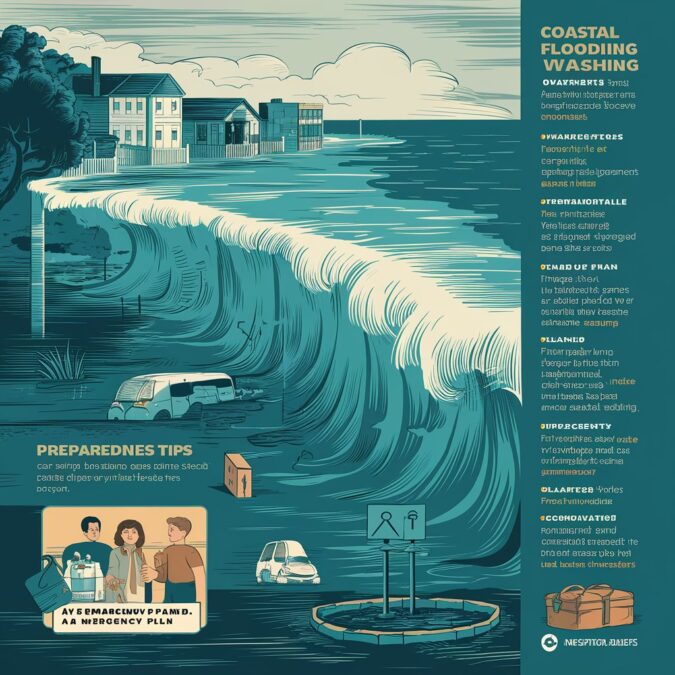
ToggleA coastal flood advisory is an important weather alert issued when minor coastal flooding is expected or already occurring. While it may not signal a life-threatening disaster like a hurricane or major storm surge, it still indicates conditions that can disrupt daily life, damage property, and create hazardous situations in coastal regions. These advisories are typically released by meteorological agencies when water levels rise above normal due to high tides, strong winds, or low-pressure systems pushing seawater inland. Understanding what a coastal flood advisory means and how to respond to it is essential for residents, travelers, and businesses located near coastlines.
Coastal flooding can happen gradually or suddenly, and even relatively small increases in sea level can lead to road closures, waterlogged properties, and erosion. Because of this, authorities issue advisories to provide early warning and encourage precautionary measures. This article explores the meaning, causes, impacts, and safety strategies related to coastal flood advisories in detail.
What is a Coastal Flood Advisory?
A coastal flood advisory is a notification that indicates minor flooding along coastal areas is either expected or already taking place. It is not as severe as a coastal flood warning, which suggests more dangerous and widespread flooding, but it still requires attention and preparedness. These advisories often occur during high tides, especially when combined with weather conditions like strong onshore winds or storms that push water toward the shore.
The purpose of issuing such an advisory is to inform the public about potential inconveniences and risks, such as flooded roads, limited beach access, and minor property damage. While the flooding may not be catastrophic, it can still affect transportation, local businesses, and infrastructure. Therefore, taking advisories seriously helps reduce unnecessary risks and ensures community safety.
Causes of Coastal Flood Advisory Conditions
Several natural factors contribute to the issuance of a coastal flood advisory, and understanding these causes helps in anticipating such events. One of the most common causes is high astronomical tides, which occur due to the gravitational pull of the moon and sun. When these tides are higher than usual, even a slight increase in water levels can lead to flooding.
Another major factor is storm surge, which happens when strong winds from storms push seawater toward the coast. Even moderate storms can create enough surge to trigger minor flooding. Additionally, low atmospheric pressure can cause sea levels to rise temporarily, while persistent onshore winds can continuously push water inland. Climate change and rising sea levels are also contributing to more frequent coastal flood advisories in many parts of the world.
Impacts of Coastal Flood Advisory
Although labeled as “minor,” the impacts of a coastal flood advisory can still be significant. Flooded streets can disrupt traffic, making commuting difficult and sometimes dangerous. In low-lying coastal communities, water can seep into homes, garages, and businesses, causing damage to belongings and infrastructure.
Another impact is coastal erosion, where the force of water gradually wears away beaches and shorelines. This can affect tourism, wildlife habitats, and long-term land stability. Saltwater intrusion is also a concern, as it can damage crops, contaminate freshwater supplies, and affect local ecosystems. Even if the flooding is temporary, repeated advisories can lead to cumulative damage over time.
Coastal Flood Advisory vs Warning vs Watch
It is important to distinguish between a coastal flood advisory, a warning, and a watch. A coastal flood advisory indicates minor flooding with limited threat. A coastal flood watch means that conditions are favorable for flooding, but it has not yet occurred or is uncertain. A coastal flood warning, on the other hand, signals more severe flooding that poses a greater risk to life and property.
Understanding these differences helps individuals respond appropriately. While an advisory may require caution and preparation, a warning demands immediate action and possibly evacuation in vulnerable areas. Staying informed about these classifications ensures better decision-making during coastal weather events.
Safety Measures During a Coastal Flood Advisory
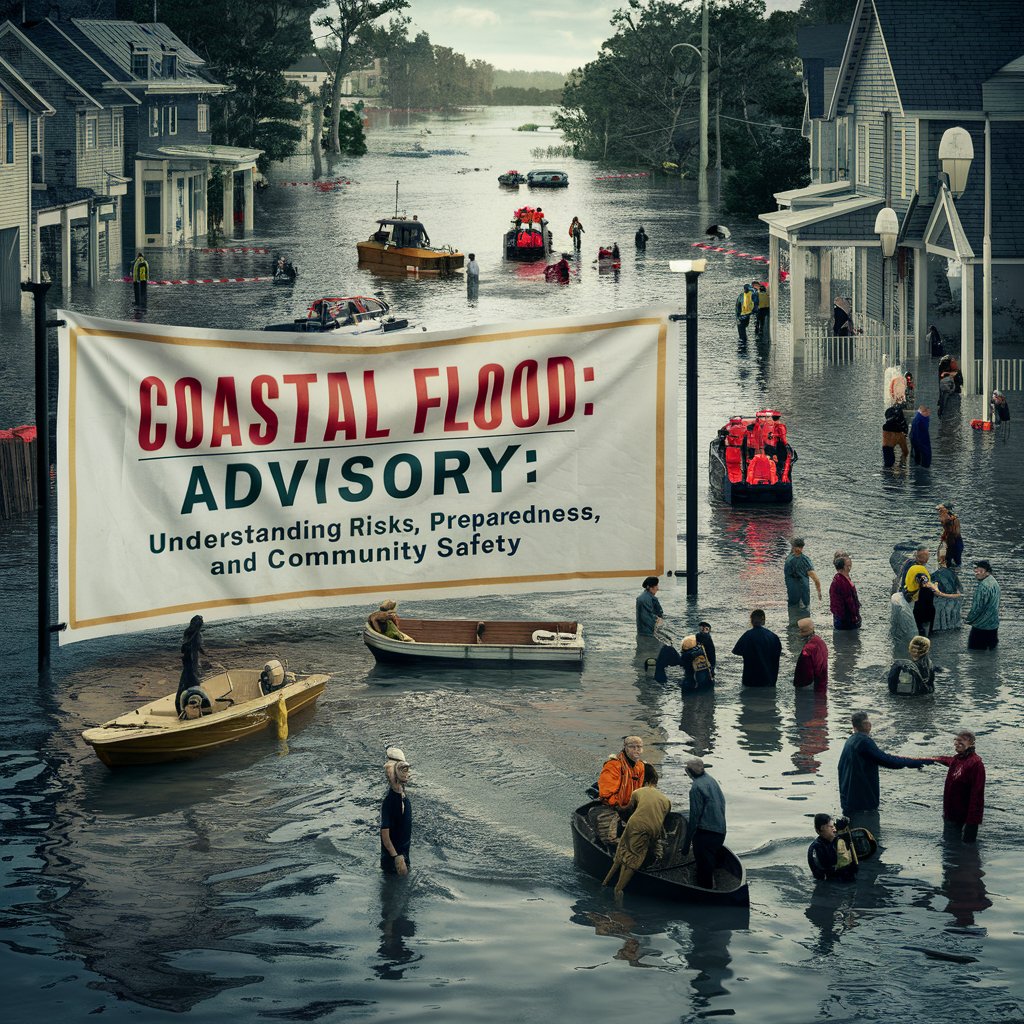
When a coastal flood advisory is issued, taking proactive safety measures can minimize risks and inconvenience. One of the most important steps is to avoid driving through flooded roads, as even shallow water can hide hazards or cause vehicles to stall. Residents should also secure outdoor belongings that could be carried away by rising water.
Monitoring local news and weather updates is essential for staying informed about changing conditions. People living in flood-prone areas should consider moving valuable items to higher ground and preparing emergency kits with essentials such as food, water, and medical supplies. It is also wise to plan alternative routes and avoid unnecessary travel during advisory periods.
Community Preparedness and Awareness
Community awareness plays a crucial role in reducing the impact of coastal flooding. Local governments and organizations often provide resources, evacuation plans, and early warning systems to help residents stay safe. Participating in community preparedness programs and understanding local flood risks can make a significant difference.
Education about coastal flood advisories should be ongoing, especially in regions where such events are frequent. Schools, workplaces, and community groups can contribute by sharing information and encouraging responsible behavior during advisories. When individuals and communities work together, the overall resilience to coastal flooding improves.
Conclusion
A coastal flood advisory may not indicate a severe disaster, but it is far from insignificant. It serves as an early warning system that helps people prepare for minor flooding and avoid unnecessary risks. By understanding its meaning, causes, and potential impacts, individuals can take appropriate precautions to protect themselves and their property.
As coastal regions continue to face challenges from rising sea levels and changing weather patterns, staying informed and prepared becomes increasingly important. A proactive approach to safety and awareness ensures that even minor flooding events are managed effectively, reducing long-term damage and enhancing community resilience.
Frequently Asked Questions (FAQs)
What does a coastal flood advisory mean?
A coastal flood advisory means that minor coastal flooding is expected or already happening, which may cause inconvenience but is not usually life-threatening.
Is a coastal flood advisory dangerous?
While generally not severe, it can still pose risks such as flooded roads, property damage, and hazardous travel conditions.
What should I do during a coastal flood advisory?
Stay informed, avoid flooded areas, secure belongings, and follow local safety guidance to minimize risks.
How long does a coastal flood advisory last?
The duration depends on weather conditions and tidal patterns, but it usually lasts until water levels return to normal.
Can coastal flood advisories become more serious?
Yes, conditions can worsen, and an advisory may be upgraded to a watch or warning if flooding becomes more severe.
Why are coastal flood advisories becoming more common?
Factors such as rising sea levels, climate change, and increased storm activity are contributing to more frequent advisories in many coastal areas.