

Table of Contents
ToggleThe story of Sinserella (commonly known as Cinderella) is one of the most enduring and widely recognized fairy tales in human history. It tells the emotional journey of a young girl who faces hardship, injustice, and emotional neglect but ultimately rises above her circumstances through kindness, patience, and hope. The tale has existed in many cultural variations for centuries, but its modern popularity comes largely from the European version popularized by writers like Charles Perrault and later adapted by Disney. At its core, Sinserella is not just a story for children—it is a symbolic narrative about resilience, transformation, and the belief that life can change unexpectedly when hope is not abandoned.
Sinserella Story Summary (Plot and Main Events Explained)
The central storyline of Sinserella follows a young girl who loses her parents at an early age and is forced to live under the authority of her cruel stepmother and stepsisters. She is treated unfairly, made to do all the household chores, and denied love, comfort, and equality. Despite her suffering, she remains kind-hearted and patient, often finding comfort in small dreams of a better future.
One of the most important moments in the story is the magical intervention of her fairy godmother, who helps her attend a royal ball. At the ball, Sinserella captures the attention of the prince, but she must leave before midnight when the magic ends, leaving behind only a glass slipper. The prince later searches the entire kingdom to find the mysterious girl who fits the slipper, eventually discovering Sinserella. This moment transforms her life completely, as she moves from oppression to a life of royalty and happiness.
Sinserella Characters and Their Symbolic Meaning
The characters in Sinserella represent deeper meanings beyond their roles in the story. Sinserella herself symbolizes purity, patience, and resilience in the face of injustice. Her stepmother and stepsisters represent cruelty, jealousy, and the destructive nature of insecurity. The fairy godmother is a symbol of hope, transformation, and divine assistance that arrives when all seems lost. The prince represents opportunity, recognition, and the idea that true worth is eventually seen and rewarded.
These characters work together to create a moral structure within the story that teaches readers about the consequences of kindness versus cruelty, and how character ultimately matters more than status or appearance.
Sinserella Themes and Life Lessons (Deeper Meaning of the Story)
The story of Sinserella is rich with themes that remain relevant across generations. One of the most important themes is the idea of transformation—how a person’s life can change dramatically from hardship to success. Another key theme is kindness under pressure, as Sinserella continues to behave with grace even when she is mistreated.
The story also explores social inequality, showing how people in lower positions can be overlooked despite their inner value. Additionally, it highlights the importance of hope and patience, suggesting that even in the darkest times, positive change is possible. These themes are what make Sinserella more than just a fairy tale—it becomes a lesson in emotional strength and moral endurance.
Sinserella Fairy Godmother Magic and Symbolism
The fairy godmother plays a crucial role in the Sinserella story, representing unexpected help and magical transformation. She appears when Sinserella has almost lost all hope, symbolizing the idea that support can come at the right moment in life. The magic she provides—transforming rags into a beautiful dress, a pumpkin into a carriage, and animals into servants—represents how dreams can temporarily become reality if opportunity arises.
However, the time-limited nature of the magic (ending at midnight) reflects a deeper message: opportunities must be used wisely, and time is always limited in life. This part of the story teaches responsibility alongside hope.
Sinserella Glass Slipper Symbolism and Importance
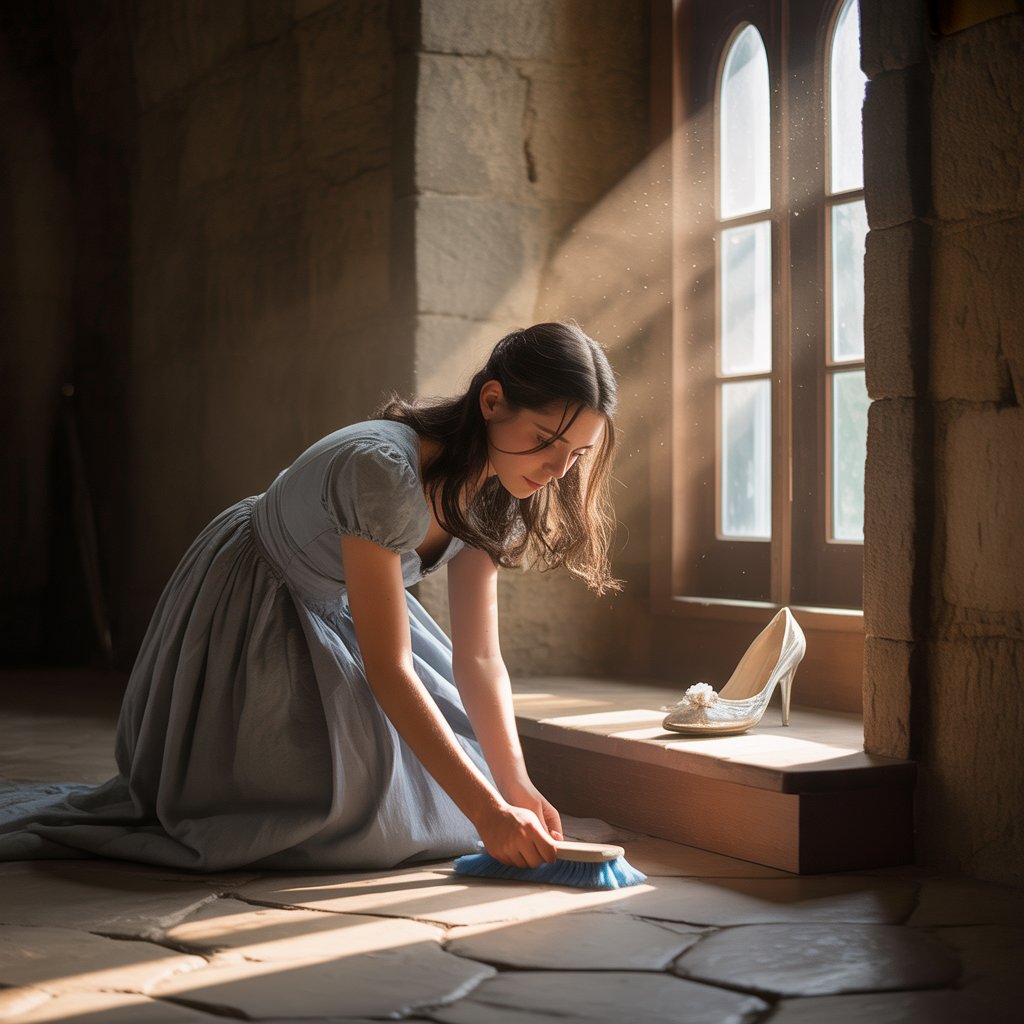
The glass slipper is one of the most iconic symbols in the Sinserella story. It represents uniqueness, identity, and destiny. Unlike other items in the story, the slipper is fragile yet perfectly fitted only for Sinserella, symbolizing that her true identity cannot be replaced or imitated.
When the prince uses the slipper to search for her, it becomes a tool of truth, proving that genuine identity cannot be hidden forever. The slipper is not just a romantic element—it is a symbol of recognition, truth, and destiny aligning at the right time.
Sinserella Cultural Impact and Modern Adaptations
The story of Sinserella has been adapted into countless films, books, plays, and animated productions across the world. One of the most famous versions is Disney’s Cinderella, which helped popularize the fairy tale globally and introduced it to modern audiences in a visually magical form.
Different cultures have also created their own versions of the story, each adding unique elements while preserving the core message of transformation and hope. The reason Sinserella remains popular today is because its themes are universal—everyone understands struggle, dreams, and the desire for a better life.
Sinserella Moral Lessons (What We Learn from the Story)
The moral lessons of Sinserella are simple yet powerful. The story teaches that kindness is never wasted, even when it is not immediately rewarded. It also shows that patience and perseverance can eventually lead to life-changing opportunities. Another important lesson is that external beauty or wealth is not as important as inner character and integrity.
Perhaps the most important moral is that no situation is permanent. Even the most difficult circumstances can change, and hope should never be completely abandoned. These lessons make Sinserella a timeless guide for emotional strength and optimism.
Conclusion (Why Sinserella Still Matters Today)
Sinserella remains one of the most influential fairy tales in world literature because it speaks directly to human emotions and experiences. It is a story of suffering, hope, transformation, and ultimate reward. Beyond its magical elements, it carries powerful messages about resilience, kindness, and destiny. In a world where many people face struggles of their own, the story continues to inspire belief that change is possible and that goodness can eventually lead to happiness.
Frequently Asked Questions (FAQ about Sinserella)
1. What is the story of Sinserella about?
Sinserella is about a young girl who is mistreated by her stepfamily but eventually finds happiness through kindness, magic, and destiny.
2. What is the main message of Sinserella?
The main message is that kindness, patience, and hope can lead to transformation even in difficult situations.
3. Why is the glass slipper important?
The glass slipper represents identity and destiny, as it uniquely fits Sinserella and helps the prince find her.
4. Who is the fairy godmother in Sinserella?
She is a magical figure who helps Sinserella attend the royal ball, symbolizing hope and unexpected support.
5. Why is Sinserella still popular today?
Because its themes of struggle, hope, and transformation are universal and relatable across all cultures and generations.