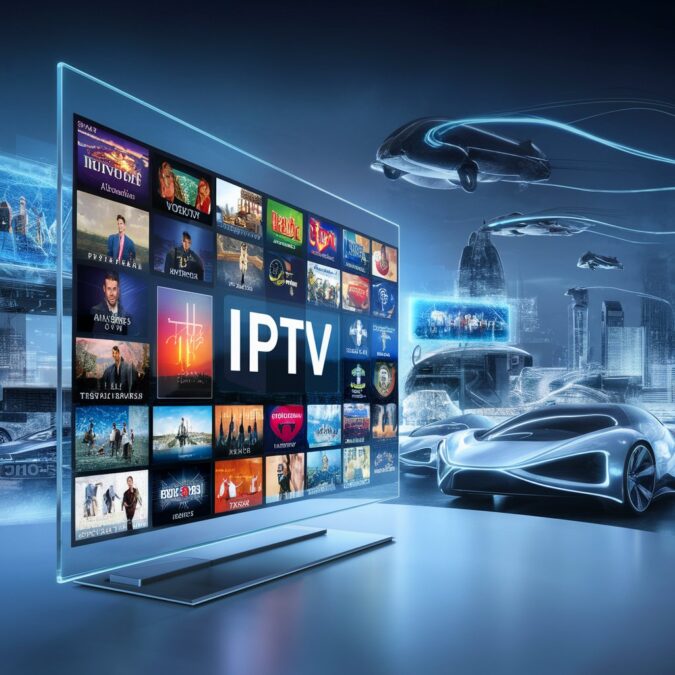

Television has undergone a remarkable transformation over the past two decades. From bulky analog sets and cable connections to sleek smart TVs and on-demand streaming, the way audiences consume content has evolved dramatically. At the heart of this revolution lies IPTV, or Internet Protocol Television, a technology that delivers television content through internet networks rather than traditional satellite or cable systems. IPTV represents the convergence of broadcasting and digital innovation, offering viewers greater flexibility, interactivity, and control over what they watch and when they watch it.
As more consumers embrace cord-cutting—the shift away from conventional cable subscriptions toward internet-based streaming—IPTV has emerged as a cornerstone of modern entertainment. It combines the reliability of traditional television with the convenience of digital streaming, enabling users to access live broadcasts, on-demand shows, and premium content from virtually any device. This article explores the fundamentals of IPTV, its technology, benefits, and impact on the global media landscape, as well as its role in shaping the future of digital television and streaming media.
What Is IPTV?
IPTV (Internet Protocol Television) is a system that delivers television content using the internet protocol suite over a packet-switched network such as the internet, instead of being delivered through traditional terrestrial, satellite, or cable television formats. In simpler terms, IPTV allows users to stream television programs and videos through an internet connection rather than relying on broadcast signals or physical infrastructure.
Unlike conventional broadcasting, where content is transmitted simultaneously to all viewers, IPTV uses a client-server model. This means that content is stored on servers and delivered to users on demand. When a viewer selects a program, the IPTV service streams the requested content directly to their device in real time. This approach not only enhances user control but also enables advanced features such as pause, rewind, and replay—capabilities that traditional television systems cannot offer.
IPTV services are typically categorized into three main types: live television, which streams real-time broadcasts; time-shifted media, which allows users to watch previously aired programs; and video on demand (VOD), which provides access to a library of movies, shows, and other content. Together, these services create a comprehensive entertainment ecosystem that caters to diverse viewing preferences.
How IPTV Works: The Technology Behind Internet Protocol Television
The technology behind IPTV is built on the same principles that power the internet. Instead of transmitting signals through radio waves or coaxial cables, IPTV uses internet protocol (IP) to send data packets containing audio and video content. These packets are transmitted through broadband connections and decoded by compatible devices such as smart TVs, set-top boxes, computers, or mobile phones.
The process begins when a user selects a channel or program. The IPTV server retrieves the requested content, compresses it using advanced codecs like H.264 or H.265, and transmits it over the internet. The user’s device then decompresses and displays the content in real time. This seamless process relies on streaming technology, which ensures continuous playback without the need to download entire files.
To maintain high-quality streaming, IPTV providers use content delivery networks (CDNs)—distributed servers that store and deliver content efficiently to users based on their geographic location. This minimizes buffering and latency, ensuring smooth playback even during peak usage times. Additionally, IPTV systems often incorporate multicast streaming, which allows multiple users to access the same content simultaneously without overloading the network.
The integration of digital rights management (DRM) and encryption technologies ensures that content is protected from unauthorized access, making IPTV a secure and reliable platform for both providers and consumers.
The Advantages of IPTV Over Traditional Television
One of the primary reasons IPTV has gained widespread popularity is its ability to offer a more personalized and flexible viewing experience compared to traditional broadcasting. Unlike cable or satellite TV, which operate on fixed schedules, IPTV allows users to watch content whenever they choose. This on-demand accessibility has redefined how audiences engage with television.
Another major advantage is multi-device compatibility. IPTV services can be accessed on a wide range of devices, including smart TVs, smartphones, tablets, and computers. This cross-platform functionality enables users to enjoy their favorite shows and live broadcasts from anywhere with an internet connection.
IPTV also supports interactive features such as program guides, video recommendations, and integrated social media sharing. These features enhance user engagement and make the viewing experience more dynamic. Additionally, IPTV’s use of digital compression and efficient data transmission results in superior picture and sound quality, including support for 4K and HDR streaming.
From a cost perspective, IPTV is often more affordable than traditional cable subscriptions. Many IPTV providers offer flexible pricing models, allowing users to pay only for the channels or services they want. This customization and affordability have made IPTV a preferred choice for millions of cord-cutters worldwide.
IPTV and the Cord-Cutting Revolution
The rise of IPTV is closely linked to the global cord-cutting movement, where consumers are abandoning traditional cable and satellite services in favor of internet-based streaming platforms. This shift is driven by the growing demand for convenience, affordability, and content diversity. IPTV perfectly aligns with these expectations by offering a vast selection of live channels, on-demand content, and premium programming without the constraints of conventional broadcasting.
Cord-cutting has also been fueled by the proliferation of high-speed internet and smart devices, which make IPTV more accessible than ever. Users can now stream live sports, news, movies, and international channels directly through IPTV apps or set-top boxes. This flexibility has disrupted the traditional television industry, forcing broadcasters and cable companies to adapt to the new digital paradigm.
Moreover, IPTV’s integration with streaming media platforms such as Netflix, Hulu, and Amazon Prime Video has created a hybrid entertainment ecosystem where users can seamlessly switch between live TV and on-demand streaming. This convergence of technologies represents the future of television broadcasting, where content delivery is entirely digital, interactive, and user-centric.
The Role of IPTV Providers in the Digital Television Ecosystem
IPTV providers play a crucial role in delivering high-quality streaming experiences to users. These providers manage the infrastructure, content licensing, and distribution networks that make IPTV possible. They ensure that users have access to a wide range of channels, including local, international, and premium networks.
Leading IPTV providers often differentiate themselves through exclusive content, advanced streaming technology, and customer support. Some offer additional features such as cloud DVR, catch-up TV, and multi-screen viewing. These innovations enhance the overall user experience and make IPTV a viable alternative to traditional broadcasting.
However, the IPTV market also faces challenges, including regulatory issues, content piracy, and competition from established streaming giants. To maintain credibility and compliance, legitimate IPTV providers must adhere to licensing agreements and copyright laws. As the industry matures, the focus will increasingly shift toward legal, high-quality IPTV services that prioritize user satisfaction and content integrity.
The Future of IPTV and Streaming Technology
The future of IPTV is closely tied to advancements in streaming technology and television broadcasting innovation. As internet speeds continue to improve and 5G networks expand globally, IPTV will become even more accessible and reliable. The integration of artificial intelligence (AI) and machine learning will enable smarter content recommendations, personalized viewing experiences, and predictive analytics for providers.
Furthermore, the rise of cloud-based infrastructure will allow IPTV services to scale efficiently, supporting millions of concurrent users without compromising performance. The adoption of interactive and immersive technologies, such as virtual reality (VR) and augmented reality (AR), may also redefine how audiences experience television in the coming years.
In essence, IPTV represents the next stage in the evolution of digital television—a future where content is delivered seamlessly across devices, tailored to individual preferences, and accessible anytime, anywhere.
Conclusion
IPTV has revolutionized the way people consume television and digital media. By leveraging internet protocol technology, it has bridged the gap between traditional broadcasting and modern streaming, offering viewers unprecedented control, flexibility, and quality. As the world continues to embrace digital transformation, IPTV stands at the forefront of the entertainment industry, driving innovation and redefining the future of television broadcasting technology.
Whether for live sports, international news, or on-demand entertainment, IPTV provides a comprehensive and customizable solution that caters to the diverse needs of today’s audiences. With continuous advancements in streaming technology and network infrastructure, IPTV is poised to remain a dominant force in the global media landscape for years to come.
Frequently Asked Questions (FAQ)
1. What does IPTV stand for?
IPTV stands for Internet Protocol Television, a system that delivers television content through internet networks instead of traditional cable or satellite systems.
2. How does IPTV work?
IPTV uses internet protocols to transmit audio and video data packets over broadband connections. Content is stored on servers and streamed to users on demand through compatible devices.
3. What are the main types of IPTV services?
The three main types are live television, time-shifted media, and video on demand (VOD), each offering different ways to access and enjoy content.
4. Is IPTV legal?
Yes, IPTV is legal when provided by licensed and authorized service providers. However, unlicensed IPTV services that distribute copyrighted content without permission are illegal.
5. What are the benefits of IPTV over cable TV?
IPTV offers on-demand access, multi-device compatibility, interactive features, superior picture quality, and flexible pricing, making it more convenient and cost-effective than traditional cable TV.
6. Can IPTV be used on any device?
Yes. IPTV can be accessed on smart TVs, smartphones, tablets, computers, and set-top boxes, as long as the device has an internet connection and supports streaming.
7. What is the future of IPTV?
The future of IPTV lies in faster internet speeds, 5G connectivity, AI-driven personalization, and integration with emerging technologies like VR and AR, making television more interactive and immersive.